Blister
Unit-dose presentation for selected tablet and capsule products.
 HealthcareRequest a quote
 Packaging capabilities
Packaging decisions affect compatibility, stability, line fit, consumer experience, procurement, artwork, transport and economics. Walter brings those decisions into the manufacturing discussion early.
Primary packaging · explore the possibilities
Start with a pack you like. Add the fill size, quantity and presentation you have in mind, and Walter will help turn your preferences into a suitable specification.
Secondary packaging · outer cartons & monocartons
Explore carton styles and finishing options. Add your preferences to an enquiry and we’ll confirm the right specification for your product.
Pack architecture
Walter reviews the intended presentation alongside the dosage form, material suitability, pack size, equipment availability, quantity, testing expectations and destination-market requirements.
Material-to-pack control
From receipt status to printed components, identified storage and disciplined issue support traceability before material reaches the packing line.
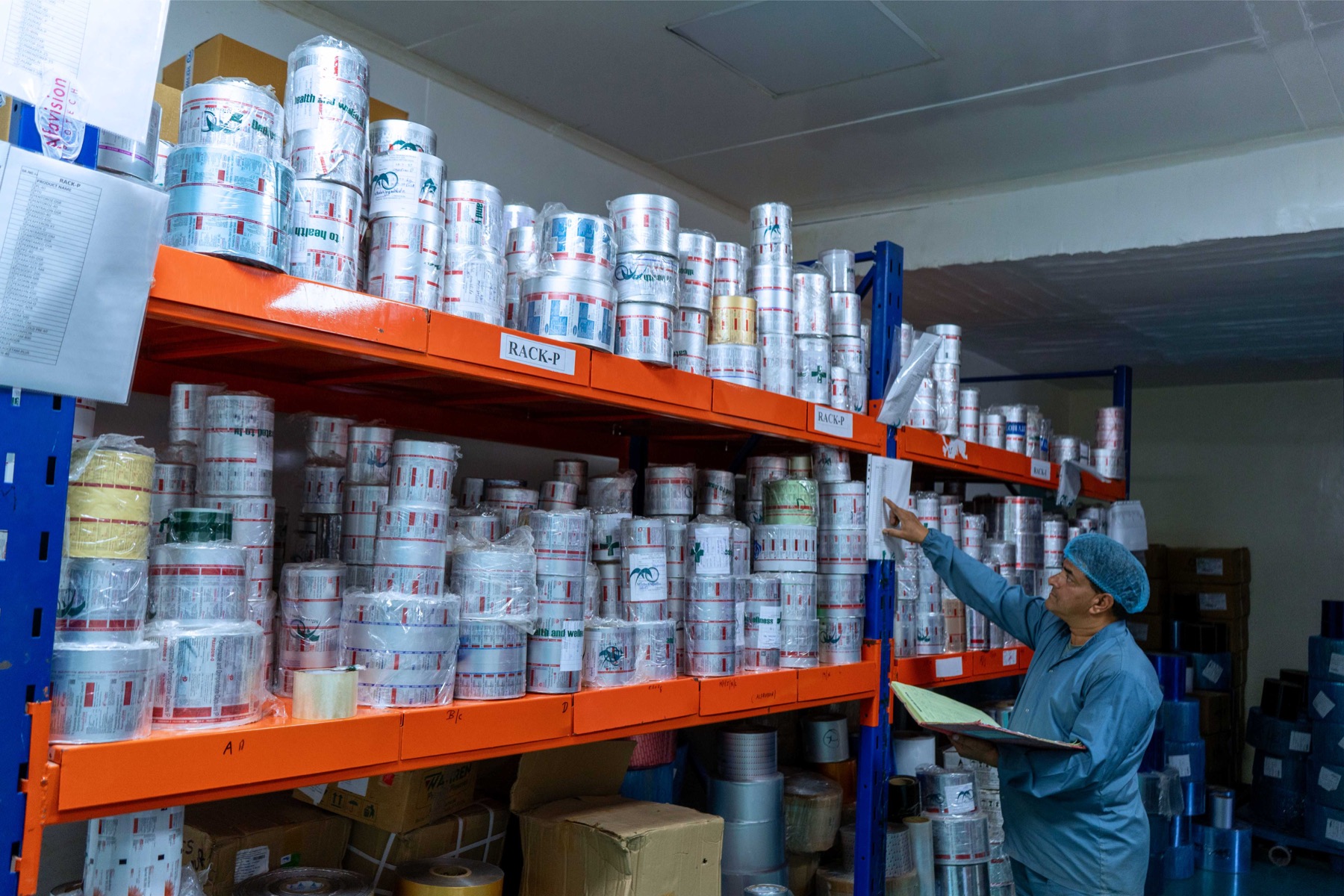
Eight facility views connect packaging presentation with the upstream controls that support handling, issue and reconciliation.
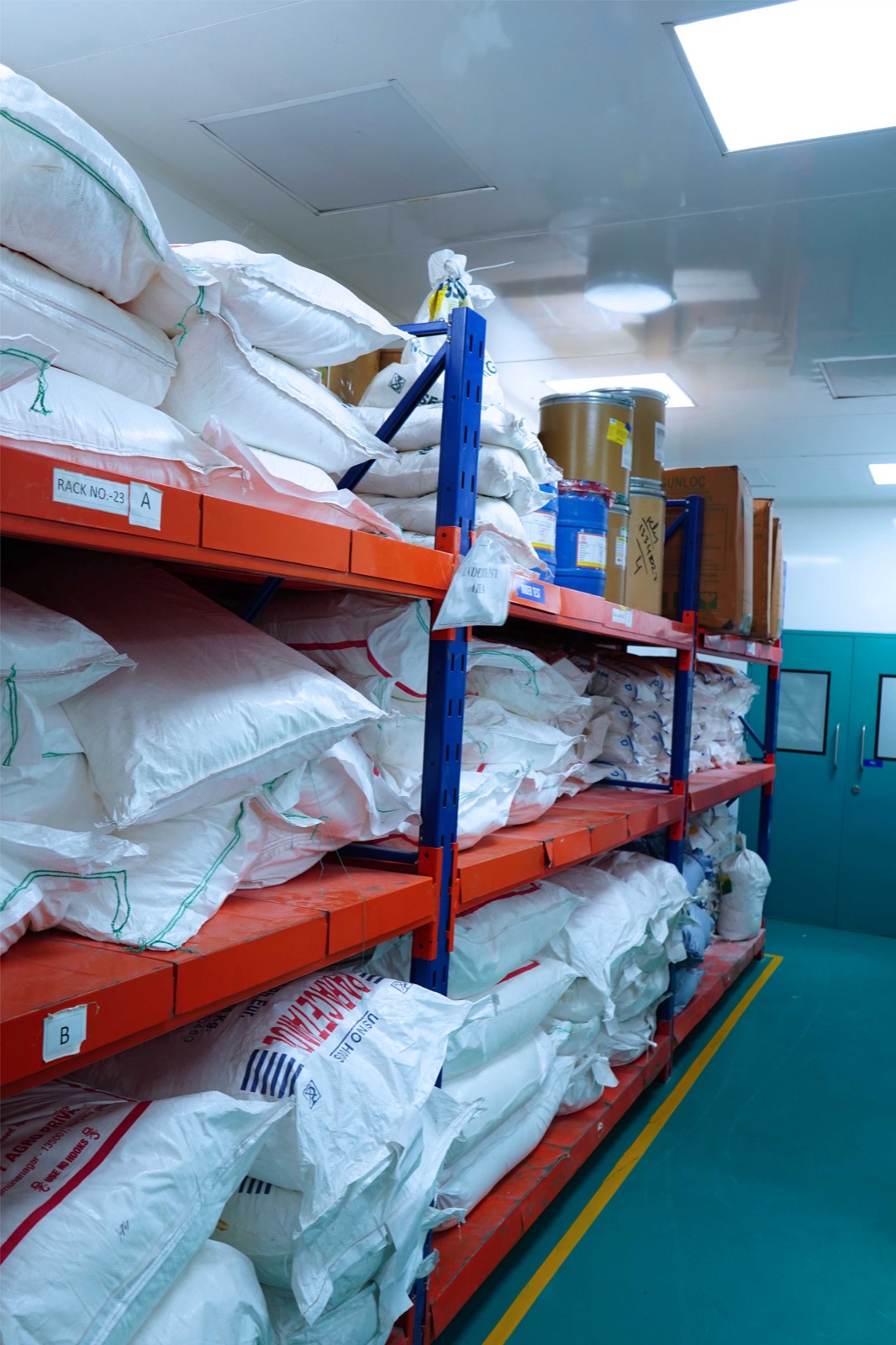
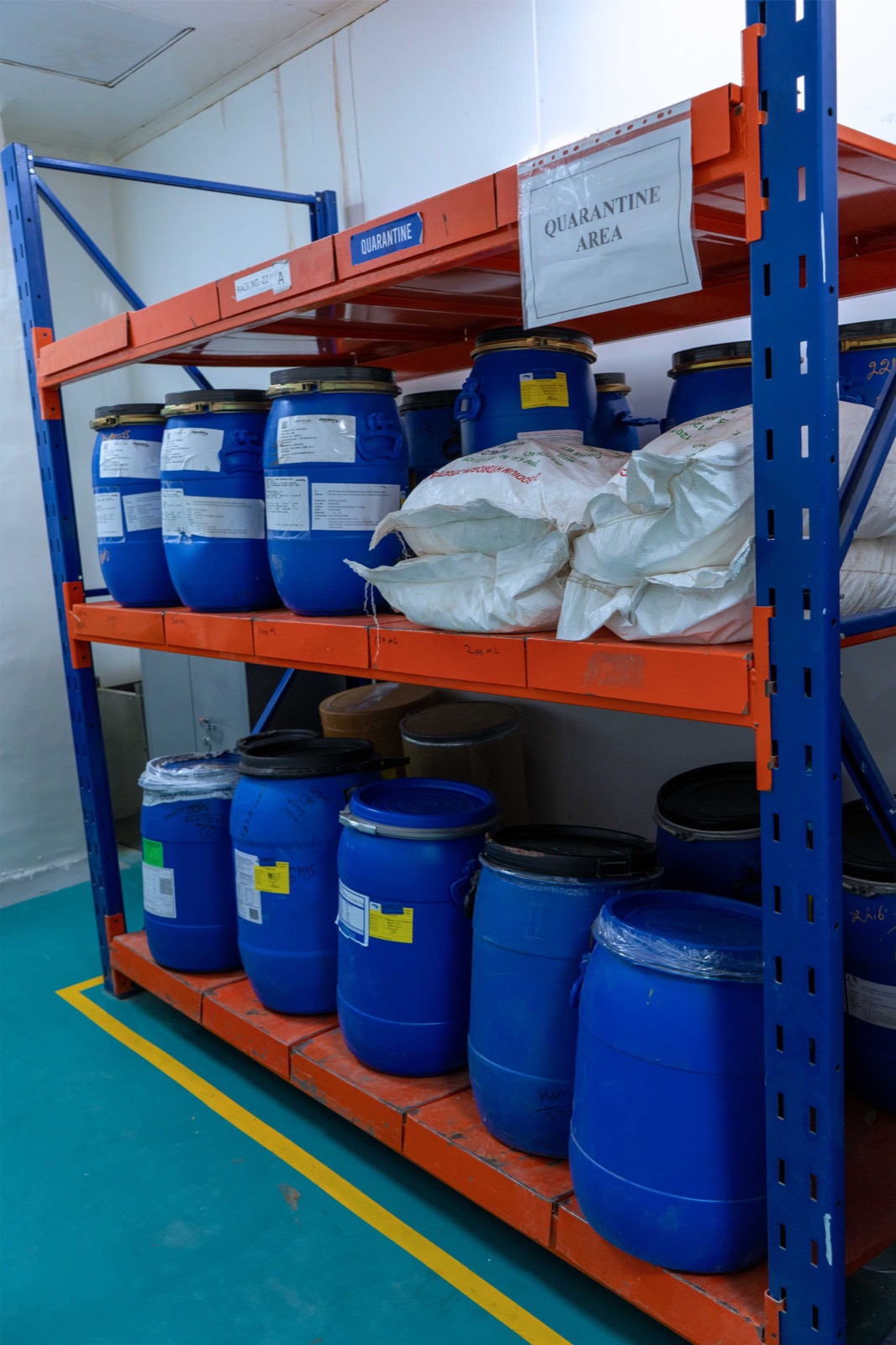
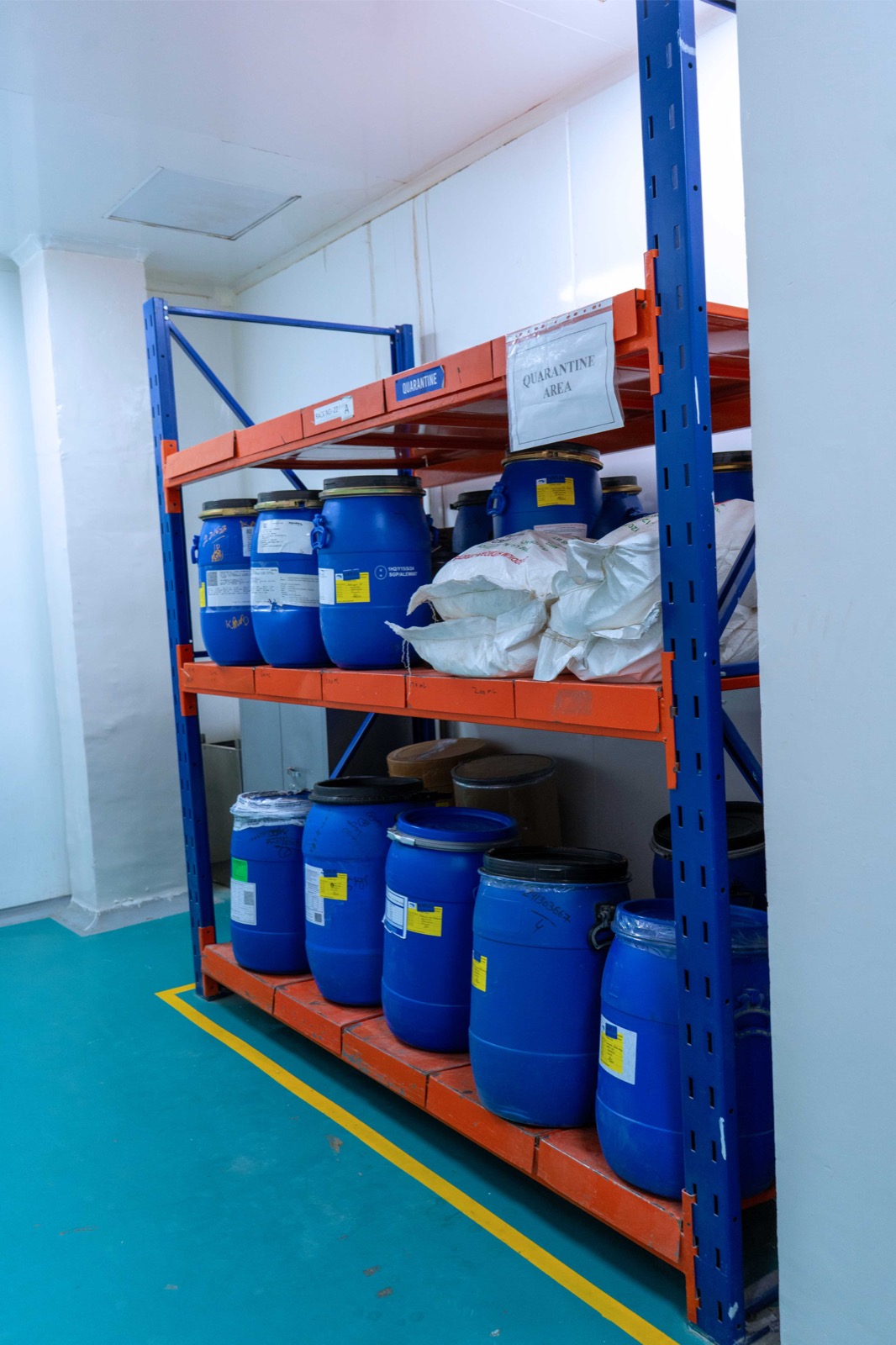
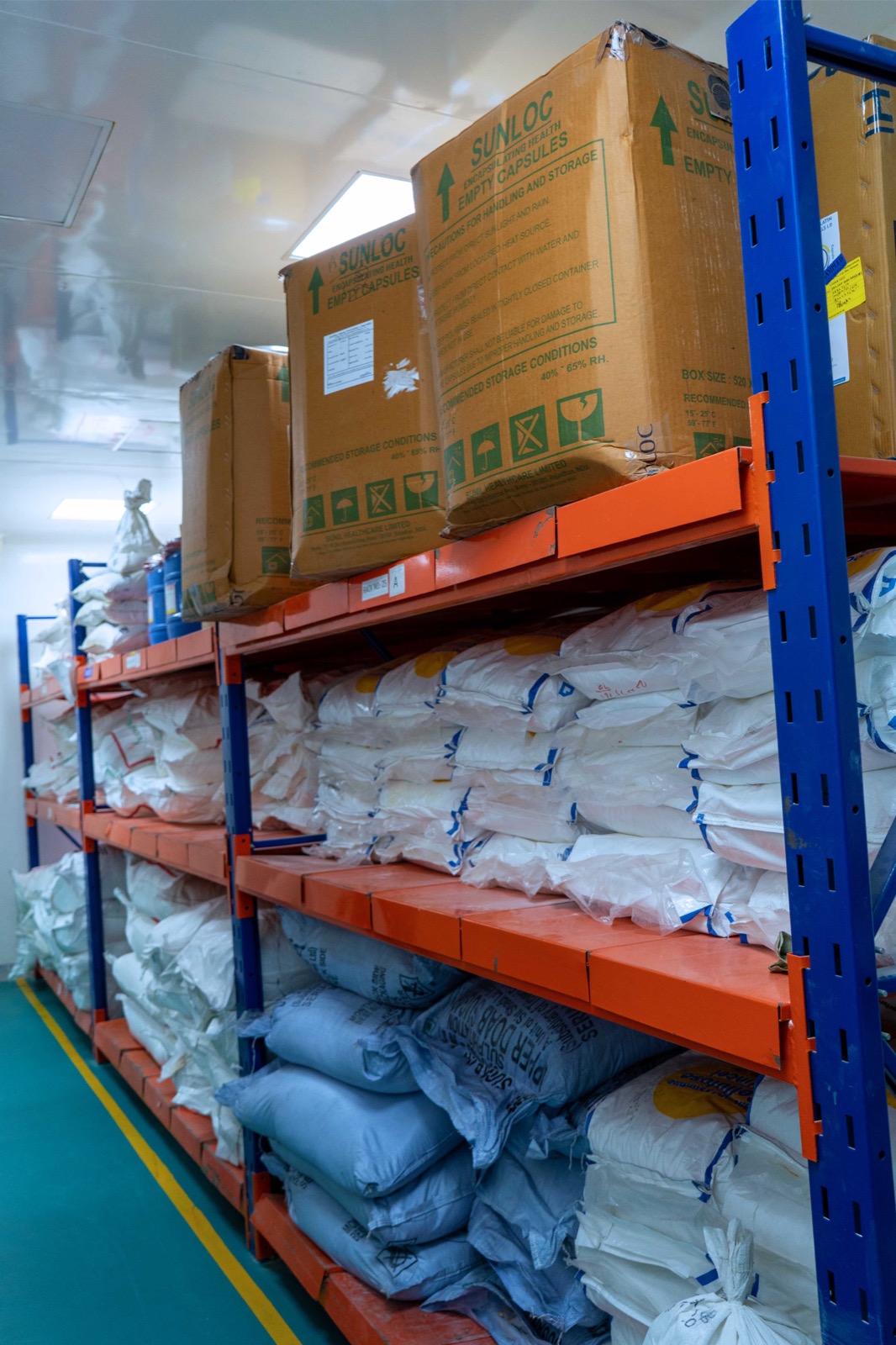
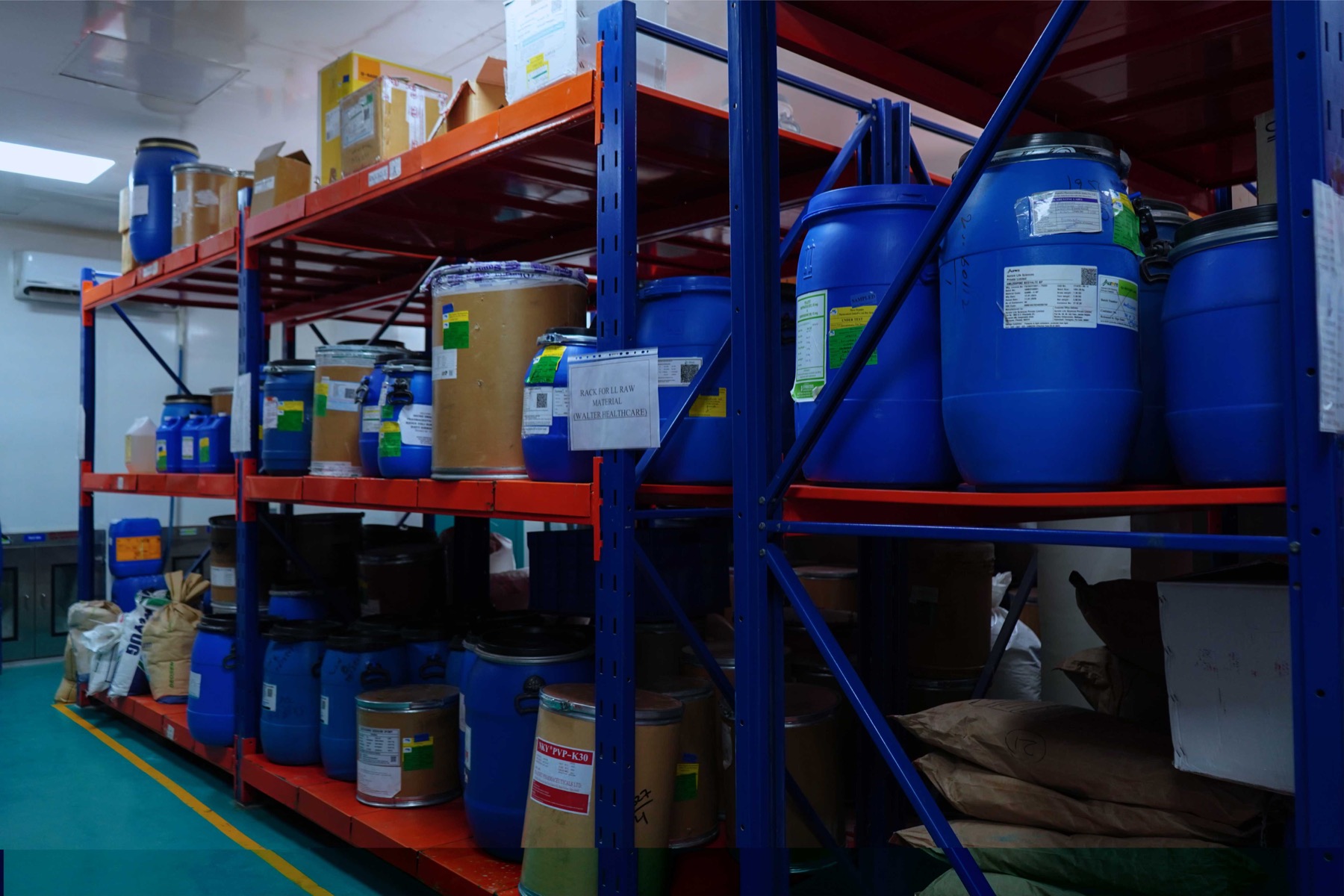
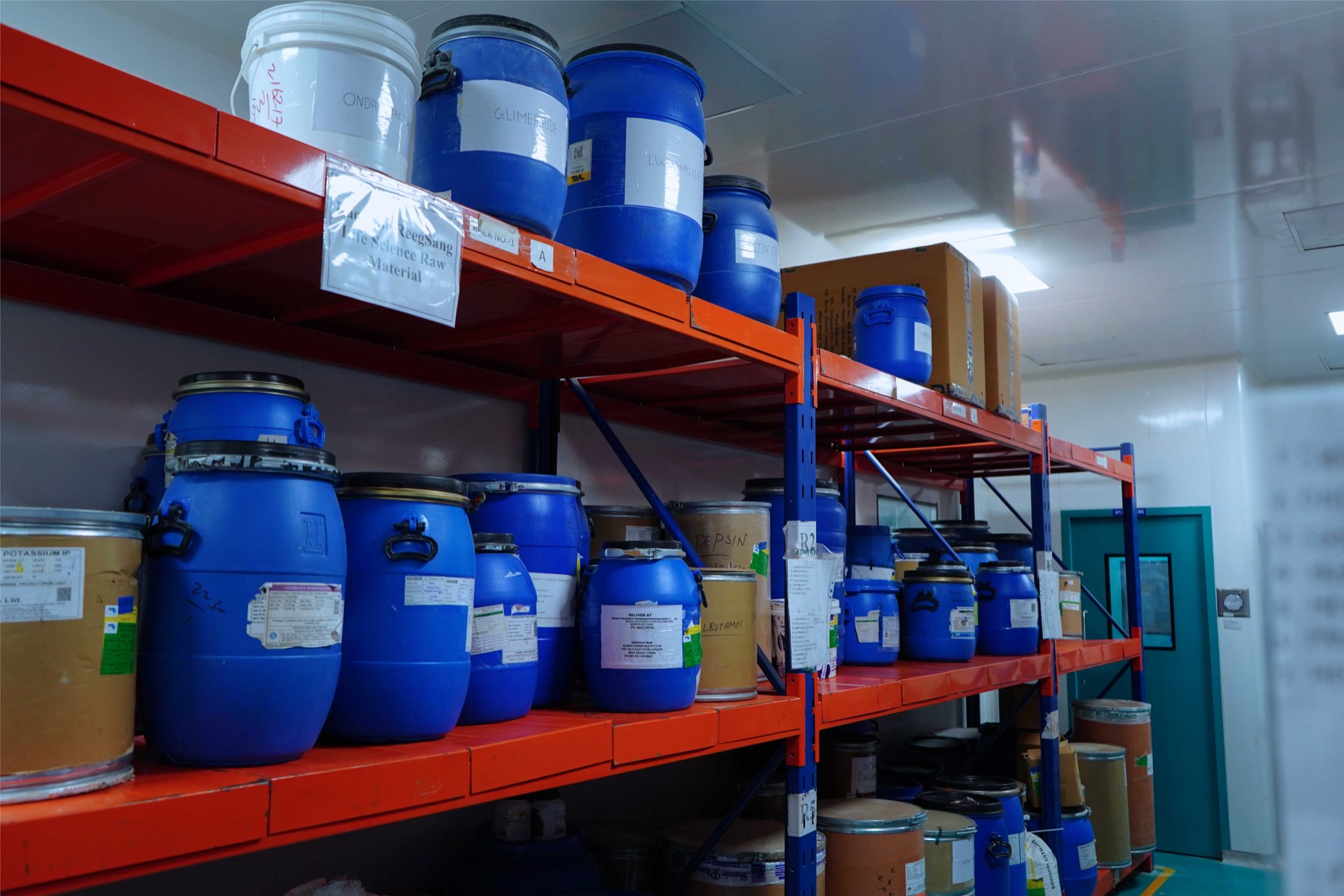
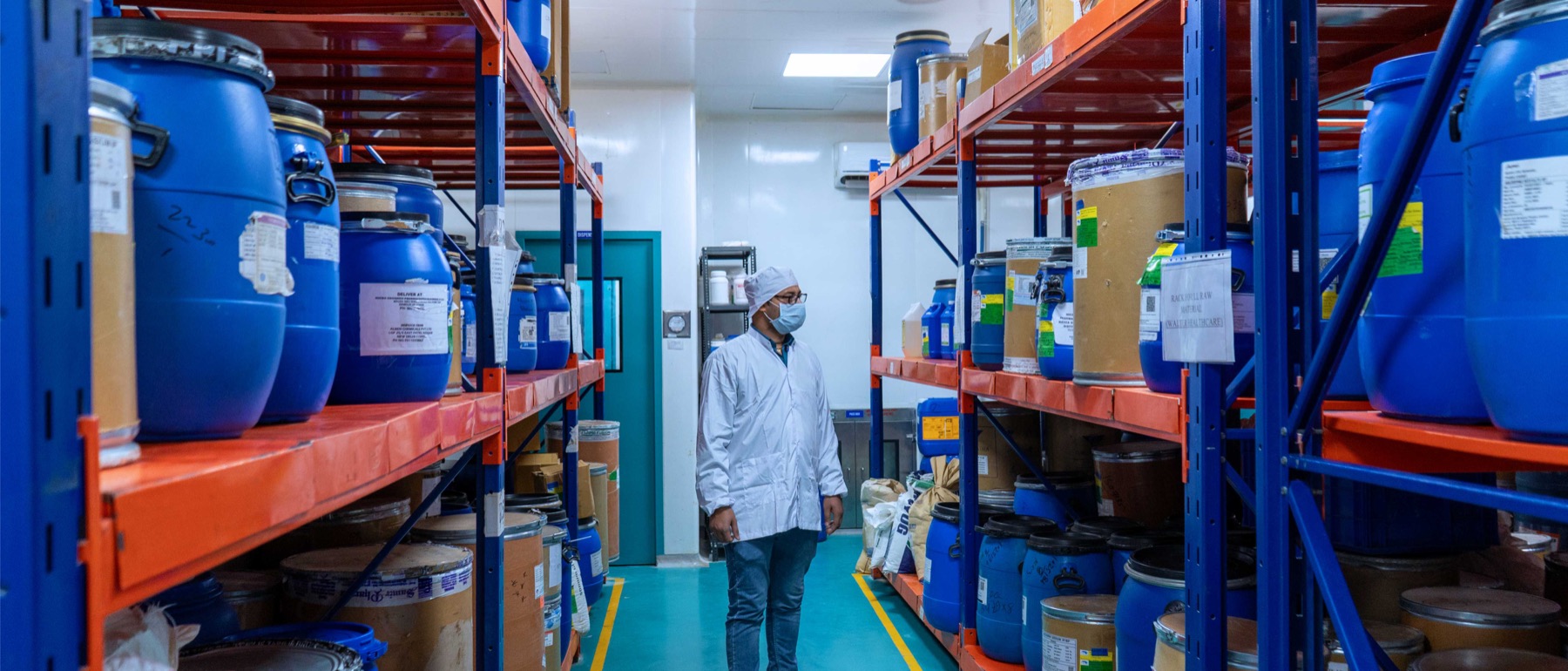
Representative facility imagery. Material disposition, issue and pack configuration remain subject to applicable procedures and product requirements.
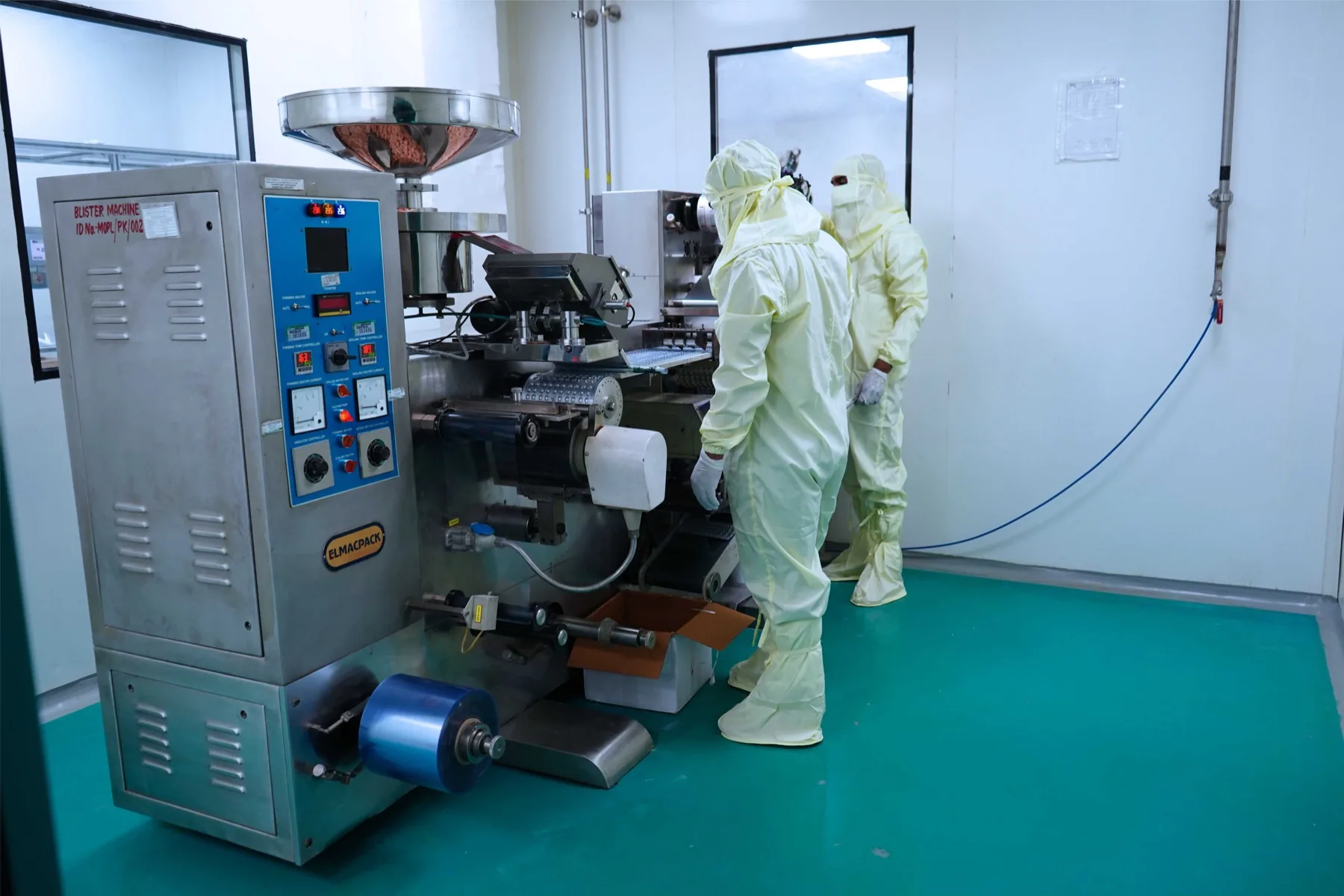
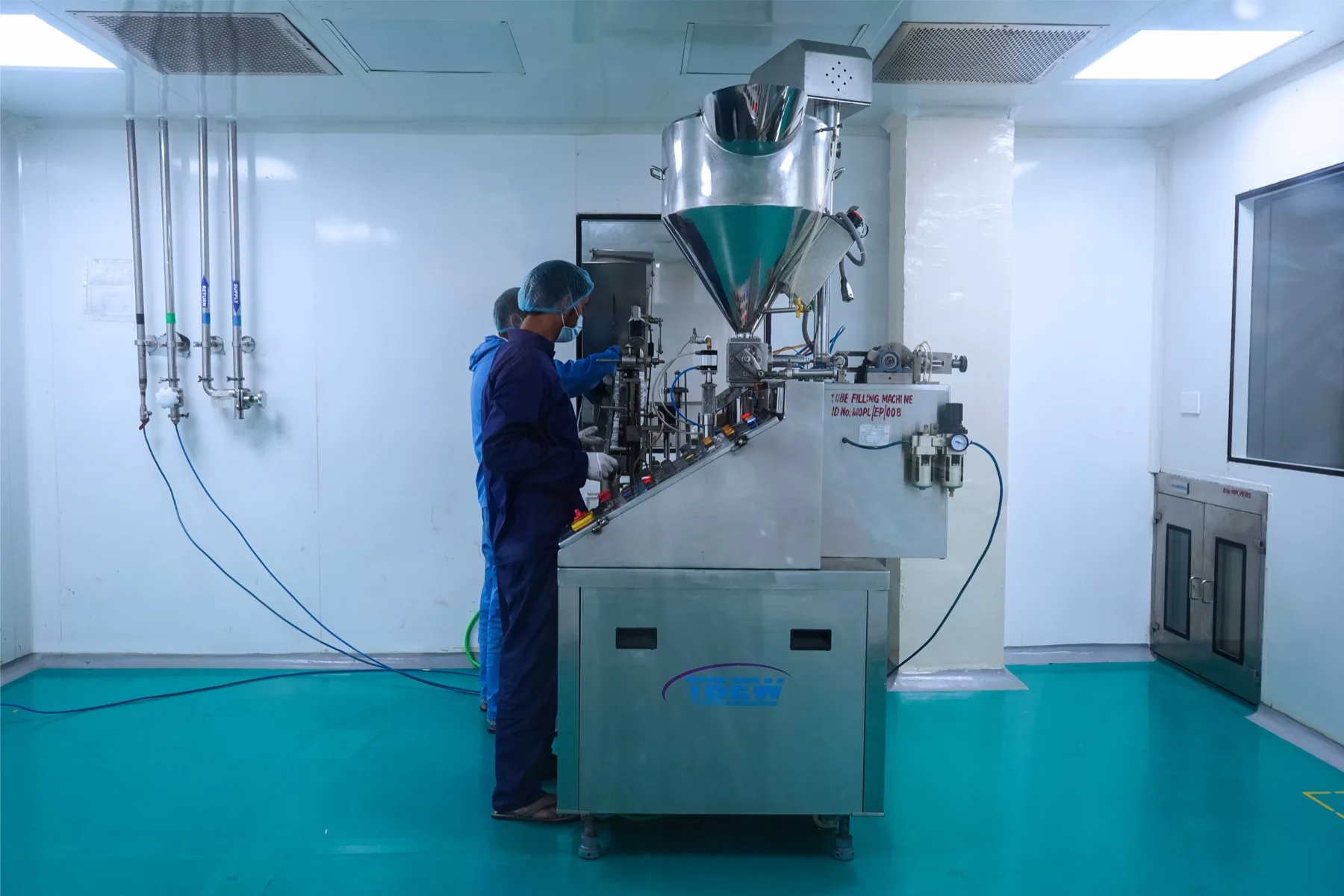
Representative Unit III imagery · May 2025. Pack configuration remains subject to product compatibility and line feasibility.
Unit-dose presentation for selected tablet and capsule products.
Flexible unit-dose presentation subject to product and material compatibility.
Solid, liquid and dry-powder bottle formats with applicable closure and labelling routes.
Selected nutraceutical powder and solid-format presentations.
Single-serve and measured powder formats for selected products.
Flexible presentations for eligible powder and wellness formats.
Secondary packs carrying approved artwork, information and inserts where required.
Outer packaging configured for handling, reconciliation and destination planning.
Decisions before artwork lock
Compatibility, moisture, light, oxygen and handling considerations.
Consumer use, institutional presentation, channel and price architecture.
Selected format, closure, foil, label and secondary-pack requirements.
Dimensions, approved text, statutory information, coding space and version control.
Machine fit, component dimensions, change parts, quantity and practical line speed.
Shipper configuration, handling, destination and dispatch requirements.
Artwork route
ReceiveCustomer supplies the proposed design, statutory copy and applicable product information.
ReviewDimensions, print area, manufacturing information and identified regulatory items are checked.
ApproveThe responsible parties confirm a controlled, production-ready artwork version.
ReconcilePrinted components are received, issued, used and reconciled through documented controls.
Packaging feasibility
Images, formats and descriptions are illustrative of discussion areas. Final component choice and pack configuration depend on the product, compatibility evidence, vendor availability, equipment fit, quantities and applicable requirements.
Start the conversation
Share the dosage form, pack count, component preference, target market, artwork status and expected quantities.
Request a quote